
The Safest Time to Treat a Wasp or Hornet Problem in Massachusetts
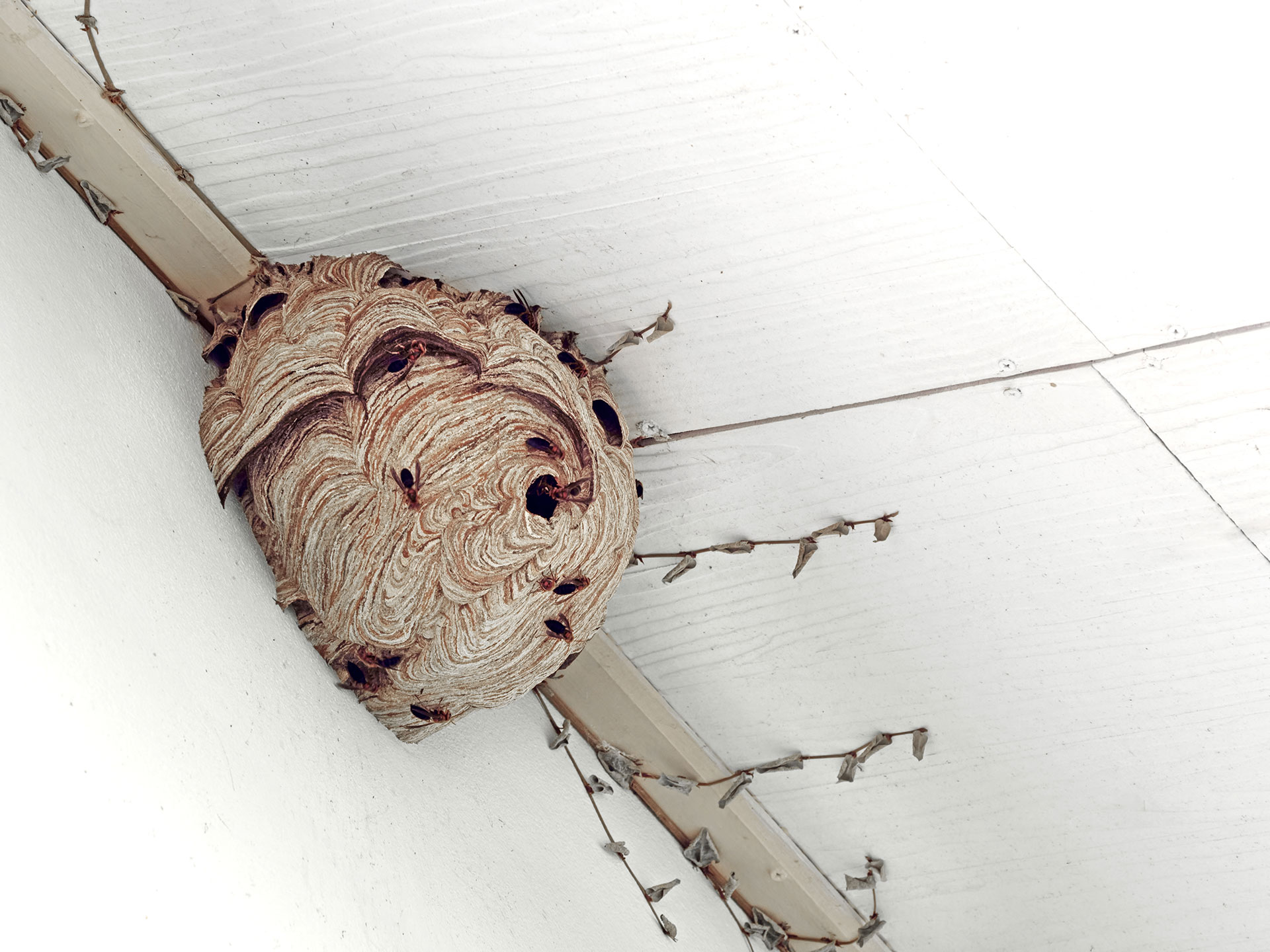
When wasps or hornets show up around your home or business, it’s natural to want them gone right away. But when it comes to wasp removal and hornet nest removal, timing matters more than many people realize. The safest time to treat a wasp or hornet problem is not simply “as soon as you see it” with a can of spray in hand. It’s when the nest can be handled in a way that reduces risk to people, pets, and property.
At The Bee Hunter of Massachusetts, we help homeowners and business owners safely and effectively deal with wasps, hornets, yellow jackets, and bees. If you’re dealing with stinging insects in Natick or anywhere nearby, knowing when and how to act can make a big difference.
Why Timing Matters With Wasp and Hornet Removal
Wasps and hornets are defensive by nature, especially when they believe their nest is under attack. The more active the nest is, the greater the chance of aggressive swarming and stings. That’s why timing is such an important part of safe treatment.
During the warmest and brightest parts of the day, many stinging insects are highly active. They are flying in and out of the nest, foraging for food, and reacting quickly to movement near their colony. A rushed daytime attempt to spray or knock down a nest can easily turn a manageable problem into a dangerous one.
The right timing helps reduce:
- The number of insects actively flying
- The chance of disturbing the entire colony
- The risk of multiple stings
- The odds of insects relocating deeper into walls, soffits, or other hidden spaces
Whether you’re dealing with a visible paper wasp nest under an eave or a yellow jacket nest hidden in the ground, professional timing and treatment strategy matter.
Why Daytime DIY Attempts Can Be Risky
Many property owners first notice a nest during the day, often when they see insects near a deck, roofline, shed, mailbox, or entryway. That usually leads to the same thought: “I should take care of this now.”
Unfortunately, that’s also when DIY removal is often most dangerous.
Wasps and Hornets Are More Active During The Day
In daylight hours, nests are usually at their busiest. More insects are outside the nest, moving around the area, and ready to defend the colony if they sense a threat. Even getting close with a store-bought spray can trigger aggressive behavior.
Spraying a Nest Without a Plan Can Make The Situation Worse
DIY products may kill some insects, but they often don’t solve the full problem. If the queen survives, if the nest is partially hidden, or if treatment is incomplete, the colony may remain active. In some cases, insects become more agitated and dangerous after an unsuccessful attempt.
Falls and Injuries Are a Major Concern
Many hornet and wasp nests are built high up in gutters, siding, trees, attic vents, or rooflines. Trying to remove a nest from a ladder while being swarmed by stinging insects can quickly become a serious safety hazard.
Some Nests Are Hidden, Not Exposed
A lot of Massachusetts homeowners assume they’re dealing with one small visible nest when the real problem is inside a wall void, crawl space, overhang, or underground opening. Daytime DIY treatment may only hit the surface while leaving the active colony in place.
How Professional Pest Control Services Approach Active Wasp and Hornet Nests
Professional wasp removal in Massachusetts is about more than just spraying a nest. It starts with identifying the insect, locating the nest, and deciding on the safest treatment method based on the level of activity and where the colony is located.
At The Bee Hunter of MA, active nest treatment is approached with safety first. That includes assessing:
- The type of stinging insect
- Nest size and placement
- Risk to children, pets, residents, employees, or customers
- Whether the nest is exposed or hidden
- The safest treatment window for effective removal
A professional understands how different stinging insects behave. Paper wasps, bald-faced hornets, yellow jackets, and bees don’t all respond the same way. The right approach depends on the species and the location.
For example, a nest attached to a branch may require a different method than a yellow jacket nest in the ground or a wasp colony entering through siding. Treating the problem correctly the first time helps prevent repeat issues and reduces unnecessary exposure to stings.
Early Intervention Usually Makes The Job Easier
One of the best things a property owner can do is act early. A small wasp or hornet problem is usually easier and safer to manage than a large, established nest.
In spring and early summer, nests are often smaller and colonies are still developing. By late summer, many nests are larger, more active, and more defensive. Waiting too long can mean:
- Bigger nests
- More insects
- Increased aggression
- Greater risk around entrances, patios, decks, and walkways
- More complicated removal if insects have moved into structures
If you notice regular wasp or hornet activity around your property, it’s a good idea to have it checked sooner rather than later. Early intervention often means faster treatment and less risk for everyone nearby.
Signs You May Need Professional Wasp or Hornet Removal
Not every flying insect around your home is a major problem, but there are some signs that it’s time to call in a professional:
- You see insects entering the same spot repeatedly: This often means there’s a hidden nest inside a wall, roofline, attic vent, or ground opening.
- You found a nest near a doorway, patio, deck, or play area: When nests are close to high-traffic areas, the chance of accidental disturbance goes up.
- Someone in your home or workplace is allergic to stings: Even a single sting can be dangerous for someone with an allergy, so quick and careful action is important.
- You already tried DIY treatment and the insects are still there: Partial treatments can leave the colony active and even more defensive.
- The nest is too high, too large, or too close for comfort: If the nest is hard to reach or in a risky location, it’s best not to handle it yourself.
Why Massachusetts Homeowners Trust Professional Bee and Wasp Removal
In Massachusetts, stinging insect issues are common during the warmer months, especially around homes, sheds, garages, landscaping, and commercial properties. Homeowners need a solution that is safe, effective, and handled by someone who understands these insects.
The Bee Hunter of Massachusetts, owned and operated by Rusty Dillon, provides professional help for bee removal, wasp removal, hornet nest removal, and yellow jacket control. Based in Natick, MA, The Bee Hunter serves residential and commercial customers with safe, dependable service.
As a fully certified and insured bee control and wasp removal company, The Bee Hunter focuses on removing stinging insect threats while helping protect your property and peace of mind. Our family-owned business is committed to delivering reliable service at reasonable prices throughout Massachusetts.
The Bottom Line: The Safest Time To Treat a Wasp or Hornet Problem
The safest time to address a wasp or hornet problem is before it gets bigger and before someone gets stung. While active nests should never be ignored, they also should not be approached carelessly, especially during busy daytime hours when stinging insects are most active.
Professional treatment helps reduce the risk of stings, incomplete removal, and dangerous DIY accidents. If you’ve spotted a nest or noticed unusual insect activity around your property, early intervention is usually the smartest move.
Need Wasp, Hornet, or Bee Removal in Massachusetts?
If unwanted bees, wasps, hornets, or yellow jackets are putting your family, customers, or employees at risk, contact The Bee Hunter of Massachusetts. Rusty Dillon and The Bee Hunter team provide safe, effective bee removal and wasp nest removal in Natick, MA and surrounding areas.