
Top 10 Places Wasps Build Nests Around Massachusetts Homes
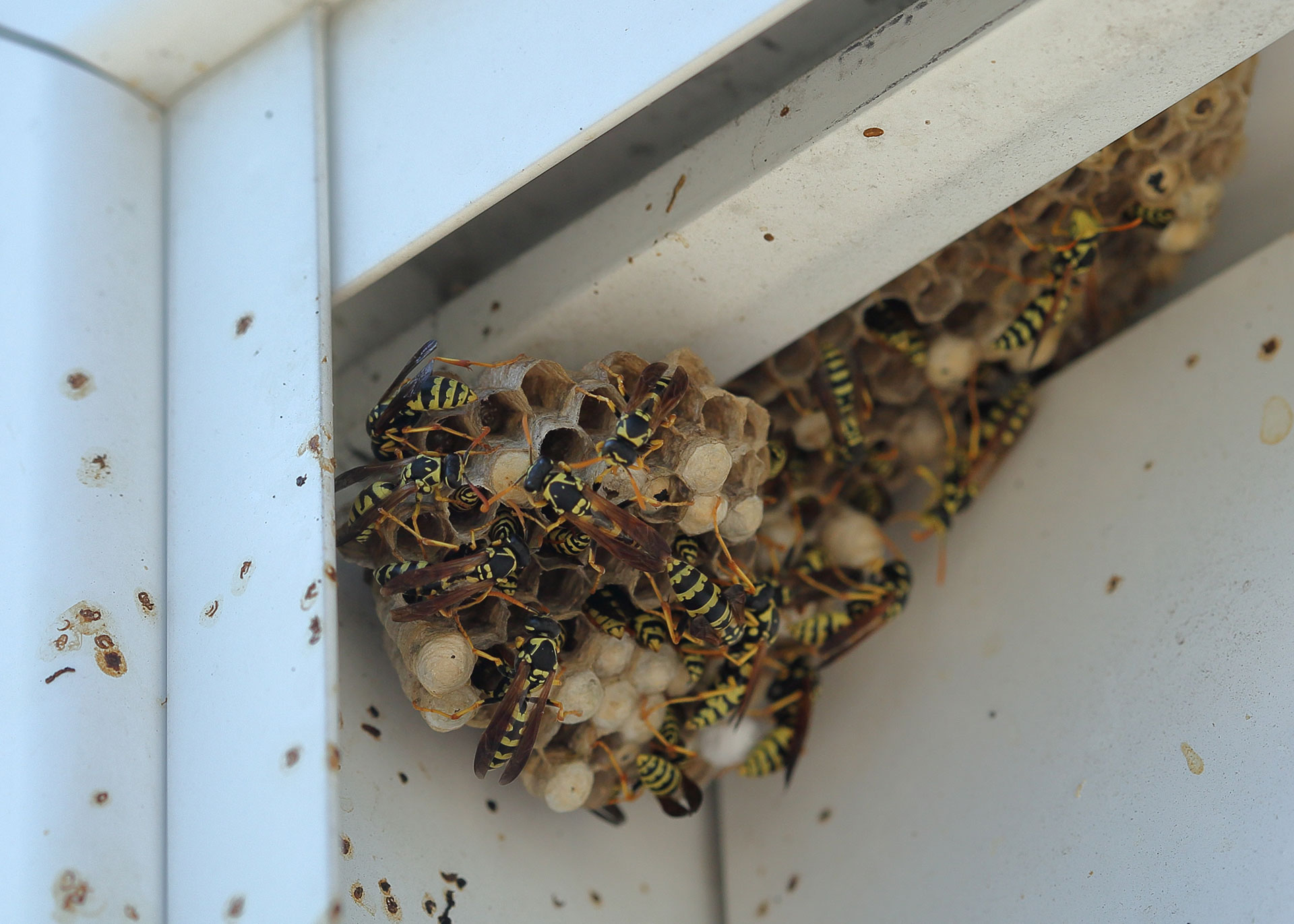
If you live in Massachusetts, you already know wasps don’t need much time to move in. One warm stretch in late spring or summer and suddenly you’ve got traffic near your porch, a buzzing spot by the eaves, or a “mystery hole” in the yard that wasn’t there last week.
The tricky part is that wasps are excellent at hiding nests in everyday places that homeowners walk past constantly. And once a nest is established, the risk goes up fast—especially with kids, pets, grills, decks, and entry doors nearby.
Below are the top 10 most common places wasps build nests around Massachusetts homes, what to look for, and when it’s time to call in a pro.
If you need help, The Bee Hunter of Massachusetts (Rusty Dillon) will safely remove wasps’ nests and other stinging insects from your property—and my work is guaranteed in writing.
Why Wasps Love Massachusetts Homes
Most wasps are looking for three things:
- Shelter from wind and rain
- A stable surface to attach a nest
- Easy access to food and water
That’s why they favor rooflines, cavities, and protected outdoor areas around your home.
1) Eaves and Roof Overhangs
Eaves are the #1 nest spot because they’re dry, shaded, and rarely disturbed. Paper wasps often build umbrella-shaped nests attached to wood trim, soffits, and corners.
Watch for: steady back-and-forth wasp flight near the roofline, especially on warm afternoons.
2) Attic Vents and Gable Vents
Vents are basically “welcome signs” for wasps. Some species can build nests just inside the vent or find their way into the attic itself.
Watch for: wasps entering/exiting a single vent opening repeatedly, or buzzing sounds in walls/ceilings.
3) Porch Ceilings and Front Entry Overhangs
This is one of the most dangerous locations because it’s close to people. A nest above a front door can trigger defensive behavior fast.
Watch for: wasps hovering above the doorway, or a small nest starting in a corner seam.
4) Decks and Railings (Including Under Deck Boards)
Wasps love the underside of decks because it’s protected and quiet. Yellow jackets may also nest in voids around decks or steps.
Watch for: wasps disappearing beneath deck boards, stairs, or trim pieces.
5) Outdoor Grill Covers and Patio Furniture Covers
A grill cover that sits untouched for a week is perfect nesting real estate. Same goes for furniture covers, umbrellas, and stored cushions.
Watch for: wasps clinging to the underside of a cover, or a papery start of a nest when you lift it.
Tip: Before uncovering anything, do a slow walk-around and listen for buzzing.
6) Playsets, Swing Sets, and Backyard Toys
Kids’ play areas are a common nesting zone—especially under platforms, in corners, and beneath slides.
Watch for: wasps congregating under a playset roof, deck, or ladder area.
Important: if a nest is anywhere near where kids play, treat it as urgent.
7) Meter Boxes and Utility Areas
Electric and gas meter areas often have small gaps, warm surfaces, and low foot traffic. Wasps may nest behind the box, under the cover, or nearby in siding gaps.
Watch for: wasps crawling into a seam or hole beside the meter.
8) Fence Posts, Hollow Rails, and Mailbox Posts
Hollow fence posts and capped rails can hide nests inside. It’s also common to see nest activity near mailbox posts and garden edging.
Watch for: wasps entering a tiny opening in a post or hovering at the same spot repeatedly.
9) Sheds, Garages, and Barn Rafters
Any outbuilding is prime territory: rafters, corners, door tracks, and storage shelves. Open a shed after a few weeks and you might be stepping into their “flight path.”
Watch for: wasps around the peak of a roof, inside corners, or near stored tools and ladders.
10) Ground Holes and Landscape Voids (Yellow Jackets)
Yellow jackets often nest underground—in old rodent burrows, mulch beds, retaining wall voids, and under steps or slabs.
Watch for: a busy “in-and-out” hole in the lawn, often with multiple wasps coming and going quickly.
Do not: pour chemicals, flood the hole, or try to plug it. That often makes the problem worse and can trigger a defensive swarm.
Quick Safety Check: When It’s Time to Call a Pro
You should get professional help if:
- The nest is near a door, deck, play area, or walkway
- You see high wasp activity (constant traffic)
- The nest is in a wall, vent, attic, meter area, or underground
- Anyone in the home has an allergy risk to stings
How The Bee Hunter of Massachusetts Can Help
If you’ve found a nest—or you suspect one in a wall, ceiling, deck, or yard—The Bee Hunter of Massachusetts will safely remove wasps’ nests and other stinging insects from your property. I use a rapid response and removal system, and my work is guaranteed in writing.
Call The Bee Hunter of MA: 508-471-6437
Or request an appointment through the website contact page.